
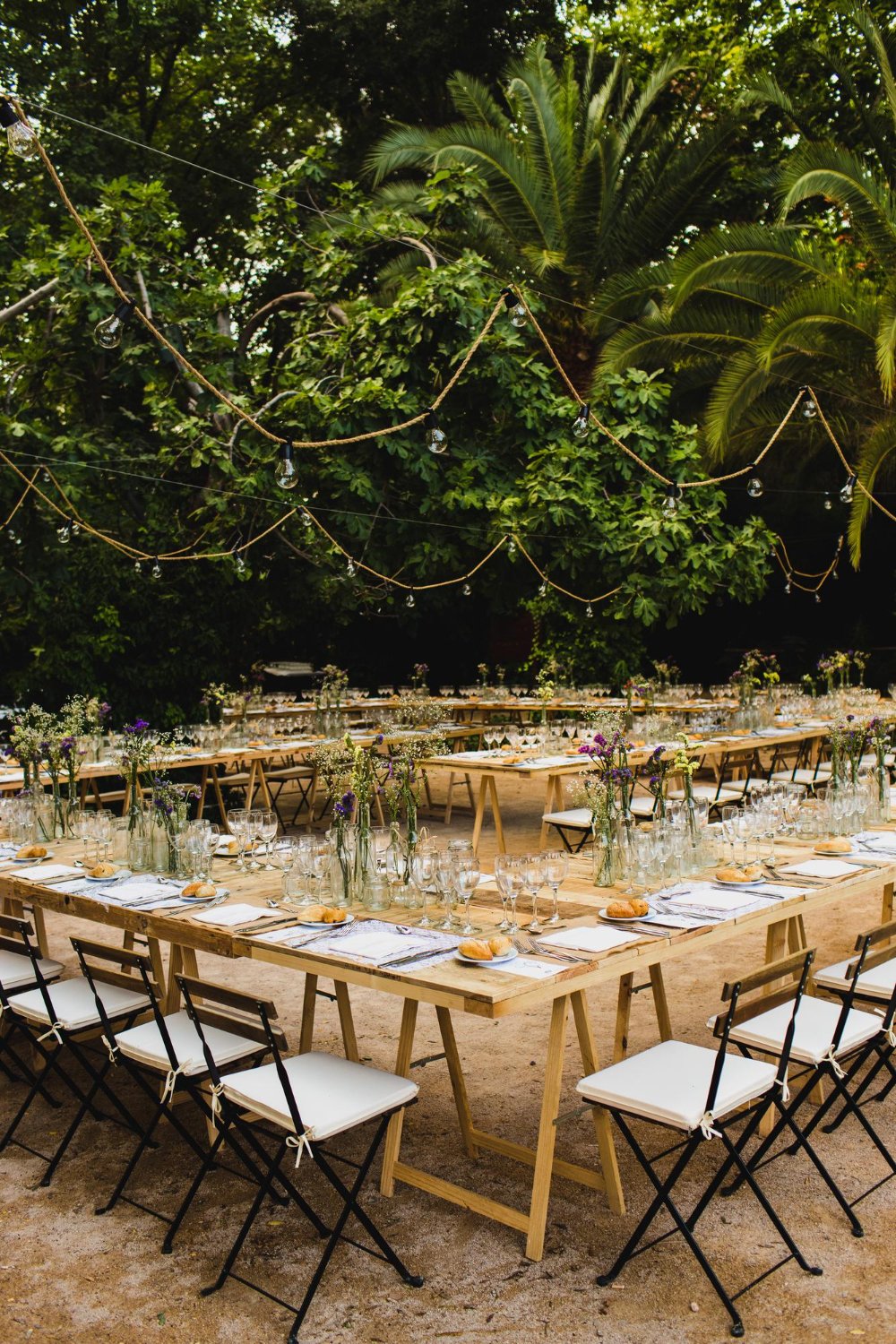
On World Environment Day 2026, the question facing every corporate event planner is no longer whether sustainability matters — it is how to deliver it without compromising the quality of the experience. Sustainable corporate events in Greece are no longer a niche request. They are becoming the standard for any organisation with a credible ESG agenda, and the pressure is coming from the top.
This is a practical guide for HR managers, PAs, and C-suite decision-makers who need to plan corporate events in Greece that are both exceptional and environmentally responsible — and who need to be able to report on them.
Why Corporate Events Are Now an ESG Concern

Sustainability reporting has moved decisively from voluntary to mandatory across Europe. The EU Corporate Sustainability Reporting Directive (CSRD), now in full effect, requires large European companies to report on the environmental impact of all business activities — including events. This means carbon measurement is no longer a goodwill gesture; it is a compliance requirement.
The practical consequence: companies now need event producers who can provide detailed carbon footprint data covering direct emissions, energy use, and Scope 3 factors such as travel, catering, and materials — formatted for integration into annual sustainability reports. Event sustainability has become a boardroom-level concern, and organisations that treat it as a line-item afterthought are increasingly exposed.
Greece, with its natural landscape, outdoor venues, and Mediterranean food culture, is actually exceptionally well positioned to host sustainable corporate events. The infrastructure exists. What matters is how it is used.
The Seven Areas That Define a Sustainable Corporate Event
1. Venue Selection
The venue is the single highest-impact decision in sustainable event planning. Outdoor or semi-outdoor venues in Greece significantly reduce energy consumption — no air conditioning, minimal artificial lighting during daylight hours, and no enclosed-space ventilation requirements. Beyond energy, proximity to accommodation reduces attendee transport emissions substantially. A rooftop venue in central Athens attended by guests staying nearby will always outperform a remote luxury resort on a carbon calculation, regardless of how “green” the resort claims to be.
2. Catering
This is where the most measurable progress can be made quickly. Major European corporations now default to plant-forward menus for internal events, with meat and fish available on request rather than served by default. The environmental benefit is significant: this shift alone can reduce food-related event emissions by 40 to 60 percent. Greece’s culinary tradition — built on vegetables, legumes, olive oil, and seasonal produce — makes plant-forward catering here not a compromise but a genuine competitive advantage. Locally sourced menus further reduce transport emissions and support the regional economy.
3. Materials and Waste
Printed programmes, single-use branding materials, and disposable tableware are the most visible sustainability failures at corporate events — and the easiest to eliminate. Digital event apps replace printed programmes entirely. Reusable or biodegradable tableware is now widely available at quality levels indistinguishable from single-use alternatives. Branded items, where they cannot be avoided, should be produced in quantities that match confirmed attendance — not aspirational guest numbers.
4. Energy and Lighting
Evening events in Greece benefit from a natural asset: the climate allows for significantly reduced artificial lighting compared to northern European equivalents. When artificial lighting is required, LED systems with wireless DMX control are now standard — they consume a fraction of the energy of traditional event lighting and offer considerably more creative flexibility. Solar-powered generators are increasingly available for outdoor events where grid connection is impractical.
5. Transport and Logistics
For events in Athens, the city’s public transport network and walkable centre make car-free attendance genuinely viable for most attendees staying centrally. For larger events drawing delegates from abroad, the flight component will always dominate the carbon calculation — which is why offset programmes, however imperfect, remain a practical tool for major corporate events where international travel cannot be avoided.
6. Floral Design
Event florals carry a surprisingly high environmental cost when imported out of season. Seasonal, locally grown flowers — abundant in Greece from spring through autumn — eliminate air freight emissions entirely and typically last longer in the Mediterranean climate. After the event, arrangements can be donated to hospitals, care homes, or community spaces rather than discarded.
7. Carbon Measurement and Reporting
For organisations subject to CSRD or with voluntary sustainability commitments, post-event carbon reporting is no longer optional. Work with an event producer who can provide structured emissions data using recognised methodologies such as GHG Protocol or ISO 14064. Transparency builds more trust than perfection claims — a report that acknowledges what was achieved and what remains to be improved is more credible than a document that presents an event as carbon neutral without the data to support it.
What Sustainable Does Not Mean

Sustainable corporate events are not austere events. They are not events where quality is sacrificed at the altar of environmental messaging. The most effective sustainable events are those where the environmental choices are invisible to attendees — where the food is exceptional, the venue is beautiful, the experience is memorable, and the sustainability outcomes are documented and real.
Greece makes this balance easier than almost anywhere else in Europe. The natural environment, the food culture, and the outdoor hospitality tradition align almost perfectly with the practical requirements of a lower-impact corporate event. The challenge is not the destination. It is the quality of planning.
Questions to Ask Your Event Planner
Before briefing any event producer in Greece, these are the questions that will quickly separate a planner with genuine sustainability capability from one offering surface-level greenwashing:
- Can you provide a post-event carbon report formatted for our ESG reporting requirements?
- Which of your preferred venues have documented energy efficiency or environmental certification?
- What is your default approach to catering — and can you provide a plant-forward menu without compromising quality?
- How do you handle waste — specifically single-use materials, food waste, and florals?
- Have you worked with clients whose events feed into CSRD or equivalent sustainability reporting?
An event planner who cannot answer these questions clearly is not the right partner for an ESG-conscious organisation in 2026.
World Environment Day 2026: A Moment to Act, Not Just Communicate
World Environment Day is observed globally on 5 June. For corporate communications teams, it is a natural moment for messaging. But for organisations with genuine sustainability commitments, it is more useful as a deadline — a prompt to review whether the events planned for the rest of the year reflect the values being communicated externally.
The gap between what companies say about sustainability and what their events actually deliver is closing — driven by regulation, by employee expectations, and by the growing sophistication of clients and stakeholders who know the difference between a credible commitment and a well-designed press release.
A sustainable corporate event in Greece planned with the right partner is one of the more straightforward ways to close that gap. The environment cooperates. The food culture cooperates. The logistics are manageable. What is required is the intention to do it properly — and a planner who knows how.
Get in touch with our team to discuss your next corporate event in Greece.
Frequently Asked Questions
What makes a corporate event sustainable?
A sustainable corporate event addresses environmental impact across seven key areas: venue selection, catering, materials and waste, energy and lighting, transport, floral design, and carbon measurement. The most impactful decisions are venue choice and catering — plant-forward menus alone can reduce food-related emissions by 40 to 60 percent compared to traditional event catering.
Do companies need to report on the carbon footprint of their events?
Under the EU Corporate Sustainability Reporting Directive (CSRD), now in full effect, large European companies are required to report on the environmental impact of all business activities, including events. This makes carbon measurement a compliance requirement rather than a voluntary practice for affected organisations.
Is Greece a good destination for sustainable corporate events?
Yes. Greece’s outdoor venue culture, Mediterranean food tradition, seasonal local produce, and climate all align naturally with sustainable event planning. Outdoor events reduce energy consumption significantly, and locally sourced plant-forward catering is both environmentally responsible and of exceptional quality in the Greek context.
How do I find a sustainable event planner in Athens?
Ask directly whether the planner can provide post-event carbon reporting formatted for ESG disclosure, whether they have experience with plant-forward catering at a quality level appropriate for corporate hospitality, and whether they have worked with clients whose events feed into CSRD or equivalent sustainability reporting. The answers will quickly distinguish genuine capability from surface-level green claims.