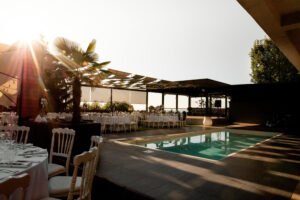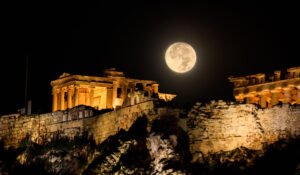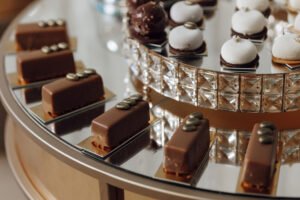

Event atmosphere and guest experience are often more memorable than the individual details of the menu. Guests may appreciate an excellent dinner, a carefully selected wine or a beautifully presented dessert, but what remains long after the event is usually something less tangible: the way the entire occasion made them feel.
They remember the first impression of the venue, the warmth of the lighting, the rhythm of the music and the ease with which the evening unfolded. They remember whether they felt welcomed, comfortable and connected to the people around them.
This does not mean that the menu is unimportant. Food remains an essential part of hospitality. However, it reaches its full potential only when it belongs to a complete and coherent experience. Even the finest menu can feel disconnected when the setting, service, sound and guest flow have not been considered with equal care.
The most successful events are therefore not built around one impressive element. They are created through the careful alignment of atmosphere, design, hospitality and emotion.
First Impressions Begin Before the First Course
The guest experience begins long before anyone sits at the table. It starts with the arrival.
The entrance to the venue, the welcome moment, the lighting and the way guests are guided into the space immediately establish the tone of the occasion. Before the first drink is offered or the first course is served, guests have already begun forming an emotional impression.
A carefully designed arrival can create anticipation, ease and a sense of occasion. In contrast, unclear signage, awkward waiting points or an unwelcoming entrance can introduce tension before the event has properly begun.
These initial moments matter because they influence how guests interpret everything that follows. A refined welcome suggests that the event has been designed with purpose. It communicates care without requiring explanation.
Atmosphere Is a Multisensory Experience
Atmosphere is not created through decoration alone. It is the result of multiple sensory elements working together.
Guests experience an event through:
- lighting and visual contrast
- music, sound levels and acoustic quality
- temperature and physical comfort
- the textures and materials within the space
- natural or carefully selected scents
- the pacing of service and entertainment
- the way they move and interact with others
Each element shapes emotion, often without the guest consciously identifying why. Warm lighting can create intimacy. Softer materials can make a formal setting feel more welcoming. Music can increase energy or encourage slower conversation.
Professional event planning brings these elements together so that the experience feels coherent rather than accidental.
The Menu Matters, but Context Changes Everything
A menu never exists in isolation. The same dish can feel entirely different depending on where, when and how it is served.
A beautifully prepared dinner may lose some of its impact under harsh lighting or in a space where guests struggle to hear each other. A simpler menu, however, can become deeply memorable when served in a setting with warmth, thoughtful timing and meaningful hospitality.
Presentation also extends beyond the plate. Table styling, linen, glassware, candlelight and the relationship between the dining area and the wider venue all influence how guests perceive the food.
The menu should therefore support the event narrative. A Mediterranean sharing menu may encourage connection and relaxed conversation. A structured multi-course dinner may introduce greater ceremony and rhythm. A refined cocktail format may support movement and networking.
The question is not simply, “What should we serve?” It is also, “What role should food play within the experience?”
Guest Flow Shapes Human Connection
The way guests move through an event has a direct effect on the quality of their interactions.
Furniture placement, table arrangements and the position of bars, lounge areas and presentation spaces determine where people gather and how naturally conversations begin. A poorly planned layout can create congestion, isolation or unnecessary distance between groups.
A strong event layout should feel intuitive. Guests should understand where to go without constant direction and should be able to move comfortably between different parts of the experience.
This may involve creating:
- a clear welcome and registration point
- comfortable areas for informal conversation
- smaller lounge zones for more focused interaction
- a dining layout that supports the desired social rhythm
- smooth transitions between speeches, dining and entertainment
In corporate event planning, this becomes particularly important. The layout can either support networking and relationship-building or make both feel forced.
Lighting Creates Emotional Memory
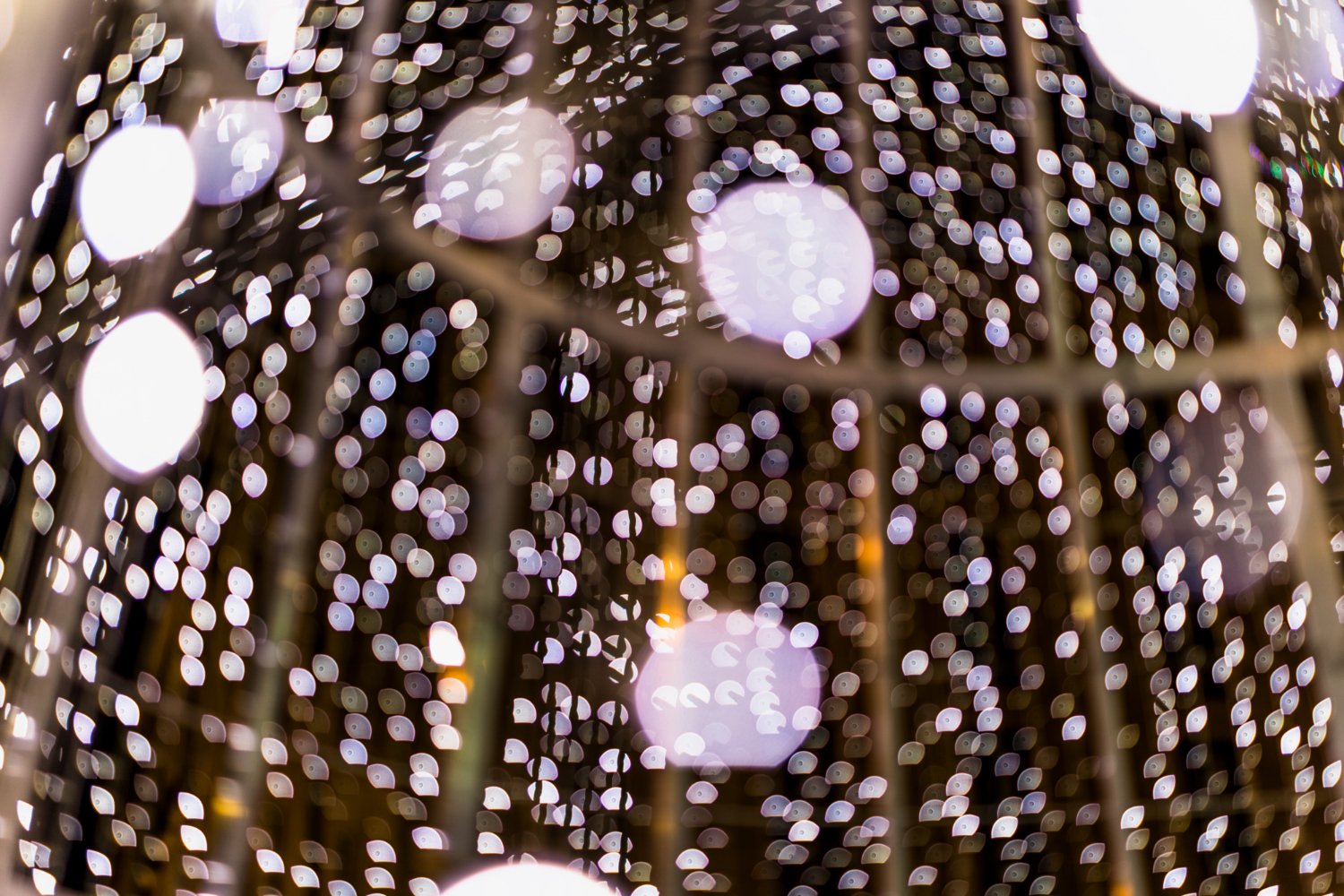
Lighting is one of the most powerful tools in event design because it affects atmosphere, visibility and emotional perception at the same time.
It can highlight architecture, define different areas of the venue and guide guests through the evening. It can also transform the same location from a bright welcome setting into a more intimate and immersive nighttime environment.
The strongest lighting plans are layered. They combine functional lighting with candlelight, architectural illumination and carefully controlled accent lighting.
Too much light can flatten the setting and remove intimacy. Too little can make guests uncomfortable or create practical safety issues. The objective is to achieve a balance between beauty, atmosphere and functionality.
When designed correctly, lighting becomes part of the emotional memory of the event. Guests may not describe the technical choices, but they will remember how the space felt.
Music Defines the Rhythm of the Event
Music shapes energy, movement and timing. It affects how quickly guests enter a space, how long they remain in conversation and when the atmosphere begins to shift.
A carefully curated soundtrack should follow the narrative of the event rather than remain static throughout the evening. The arrival may require something subtle and welcoming. Dinner may benefit from a softer rhythm. Later, the music can gradually introduce greater energy.
Volume is equally important. Music should support the atmosphere without making communication difficult. A technically impressive sound system has little value if guests need to raise their voices throughout dinner.
Whether the event includes live musicians, a DJ or a curated playlist, the music should feel connected to the audience, location and purpose of the occasion.
Service Is Part of the Atmosphere
Hospitality is not limited to what is served. It is also expressed through timing, attentiveness and the way guests are treated.
Excellent service feels present without becoming intrusive. Drinks arrive without long delays. Dietary requirements have been anticipated. Tables are maintained discreetly, and transitions happen without disrupting conversations.
When service is inconsistent, guests notice the interruption. When it is seamless, they experience the event as calm and effortless.
This is why service teams must understand the overall concept, not only their individual tasks. Their pace, communication and presentation all contribute to the event atmosphere and guest experience.
Consistency Makes an Event Feel Complete
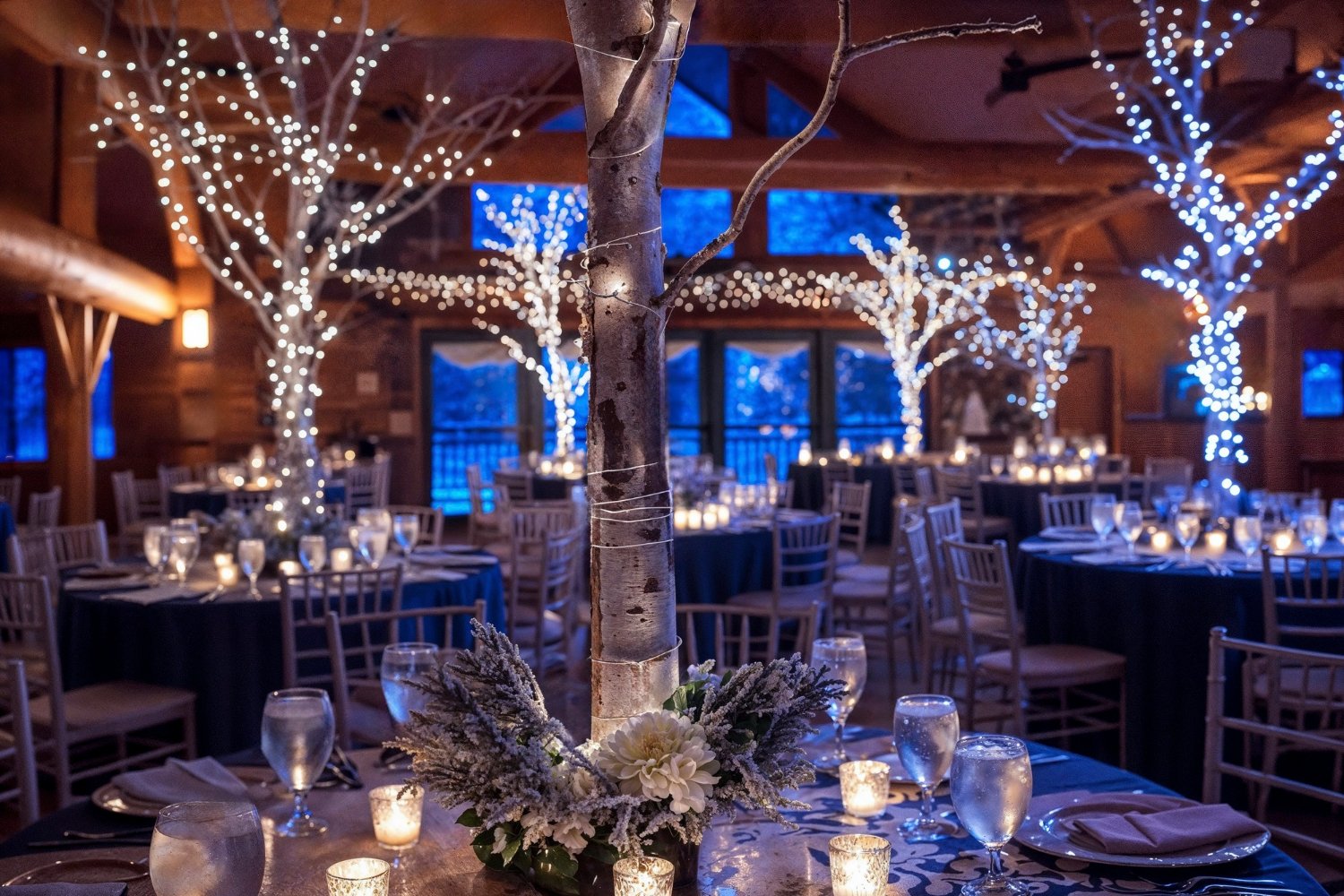
An event feels sophisticated when all its elements appear to belong to the same story.
The venue, colour palette, flowers, menu, lighting, music, signage and style of service should support one clear creative direction. They do not need to match literally, but they must feel connected.
Inconsistency creates visual and emotional noise. A refined venue paired with generic signage, unsuitable music or disconnected table styling can weaken the overall impression.
Consistency, however, creates confidence. It reassures guests that every decision has been intentional and allows them to experience the occasion without distraction.
This does not require excess. In fact, some of the most memorable events are defined by restraint. A limited palette, high-quality materials, warm lighting and thoughtful hospitality can create a stronger impression than a space filled with unrelated decorative features.
What Guests Remember the Next Day
After the event, guests may not remember the exact ingredients of every dish. They may not recall the name of every flower or the precise order of the programme.
They are far more likely to remember:
- whether the venue felt welcoming
- how easy it was to connect with others
- the atmosphere created by the lighting and music
- whether the event felt personal or generic
- how smoothly the evening unfolded
- the emotional impression they carried with them afterwards
This is the difference between an event that is simply well organised and one that becomes genuinely memorable.
Strong memories are rarely created by isolated details. They are created by the relationship between them.
Designing Events Around How Guests Feel
At NAS Concept Events, every event is approached as a complete experience.
The menu, design, lighting, music, guest flow and service are not treated as separate decisions. They are developed as interconnected parts of one creative and strategic direction.
This approach applies equally to private celebrations, weddings, corporate dinners and branded experiences. The scale and purpose may change, but the central question remains the same: how should guests feel throughout the event?
Once that emotional objective is clear, every practical and aesthetic decision can support it.
Creating an Event Guests Will Truly Remember
An exceptional menu can impress guests for a moment. A thoughtfully designed atmosphere can shape the way they remember the entire occasion.
The strongest events combine both. They offer excellent food within an environment that supports connection, comfort and emotion. They create a sense of flow and allow every detail to contribute to a larger experience.
Ultimately, guests remember more than what was placed on the table. They remember how the event welcomed them, moved them and brought them together.
Explore our private event planning services and corporate event solutions, or contact the NAS Concept Events team to create an event where atmosphere, hospitality and experience work together with purpose.