
In an era where audiences are constantly surrounded by digital stimulation and immersive experiences, traditional event formats are no longer enough to capture attention. Attendees expect more than a well-organized schedule and attractive décor. They want to feel involved, entertained and emotionally connected to the experience. For event planners, this presents both a challenge and an opportunity.
One of the most powerful strategies emerging in modern event design is gamification. By integrating elements of play, competition and achievement into the event environment, planners can transform passive attendees into enthusiastic participants. Gamified events do not merely entertain. They create engagement, encourage interaction and generate memorable experiences that last long after the event concludes.

Understanding Gamification in Events
Gamification refers to the application of game-like mechanics, such as points, challenges, leaderboards and rewards, within non-game environments. In the context of events, this approach introduces structured interaction that encourages attendees to explore the venue, engage with content and connect with others.
Rather than simply observing presentations or moving from one session to another, guests become active participants in a dynamic experience. They might complete challenges, collect digital badges, solve puzzles, or compete in friendly contests with other attendees. These activities create a sense of excitement and curiosity, turning the event into an experience that feels lively and interactive rather than static.
What makes gamification particularly effective is its ability to tap into fundamental aspects of human psychology. People are naturally motivated by achievement, recognition, and the thrill of competition. When these elements are thoughtfully incorporated into an event, participation becomes both enjoyable and rewarding.
Why Gamified Events Increase Engagement
Engagement is the central objective of any successful event. Whether the goal is networking, brand awareness, education, or celebration, the value of an event depends on how deeply attendees interact with the experience. Gamification provides a powerful framework for achieving this.
First, games encourage active participation. Instead of sitting through long presentations or wandering the venue without direction, attendees have a purpose. They are motivated to complete challenges, earn points, and interact with different parts of the event.
Second, gamified activities help break down social barriers. Networking can often feel forced or uncomfortable, particularly in large gatherings. Interactive games provide a natural way for guests to connect, collaborate, and start conversations without the awkwardness of traditional networking formats.
Third, gamification increases attention and retention. When information is presented through playful competition or interactive tasks, participants are more likely to remember it. Educational sessions, product demonstrations, and brand storytelling become far more impactful when they involve participation rather than passive listening.
Finally, gamified experiences create emotional energy within the event environment. Excitement, laughter, and friendly rivalry transform the atmosphere, making the event feel vibrant and memorable.
Creative Gamification Ideas for Events
Gamification can be adapted to virtually any type of event—from corporate conferences and exhibitions to private celebrations and brand activations. The key is designing activities that complement the event’s objectives while maintaining simplicity and accessibility.
One popular format is the scavenger hunt. Attendees receive clues or digital prompts guiding them to different areas of the venue, sponsor booths, or interactive installations. Each completed challenge earns points or rewards, encouraging exploration and engagement.
Another effective approach is live trivia competitions. Short quizzes related to the event theme, industry topics, or brand messaging can energize audiences between sessions. With mobile apps or digital voting tools, participants can compete in real time, creating an exciting collective experience.
Leaderboards also play a powerful role in gamified events. By displaying participant rankings throughout the event, planners introduce a sense of friendly competition that motivates continued participation. Attendees become eager to improve their scores and climb the rankings.
Social media challenges offer another dimension of engagement. Guests can be encouraged to post photos, videos, or creative content using the event’s hashtag. This not only increases participation within the venue but also expands the event’s visibility online.
For networking-focused events, planners may design interaction challenges, encouraging participants to meet a certain number of new people, exchange ideas, or collaborate on small tasks. These structured activities transform networking from a passive expectation into an engaging experience.
Benefits for Organizers and Sponsors
Gamification is not only beneficial for attendees; it also provides significant value for event organizers and sponsors.
For planners, gamified activities generate measurable engagement. Digital platforms can track participation rates, completed challenges, and attendee movement within the venue. This data provides valuable insights into what aspects of the event were most successful.
Sponsors also benefit greatly from gamified experiences. Games can guide attendees toward sponsor booths, product demonstrations, or brand activations, ensuring meaningful interaction rather than brief encounters. When participation is tied to rewards or points, attendees are more likely to engage with sponsor content in a genuine way.
Furthermore, gamification encourages attendees to spend more time at the event and explore more of its offerings. This extended engagement increases the overall value and impact of the event for all stakeholders involved.
Designing Gamification with Elegance
While gamification can be highly effective, it must be implemented thoughtfully. Overly complicated rules or excessive competition can discourage participation rather than inspire it. Successful gamified events prioritize simplicity, clarity, and accessibility.
The games should feel like a natural extension of the event’s theme and objectives. Whether the event is a sophisticated corporate gathering or a creative brand activation, the gamification elements should align with the overall atmosphere.
Rewards also play an important role. While prizes do not need to be extravagant, they should provide a sense of recognition and accomplishment. Sometimes the most effective reward is simply the public celebration of winners and participants.
The Future of Gamified Experiences
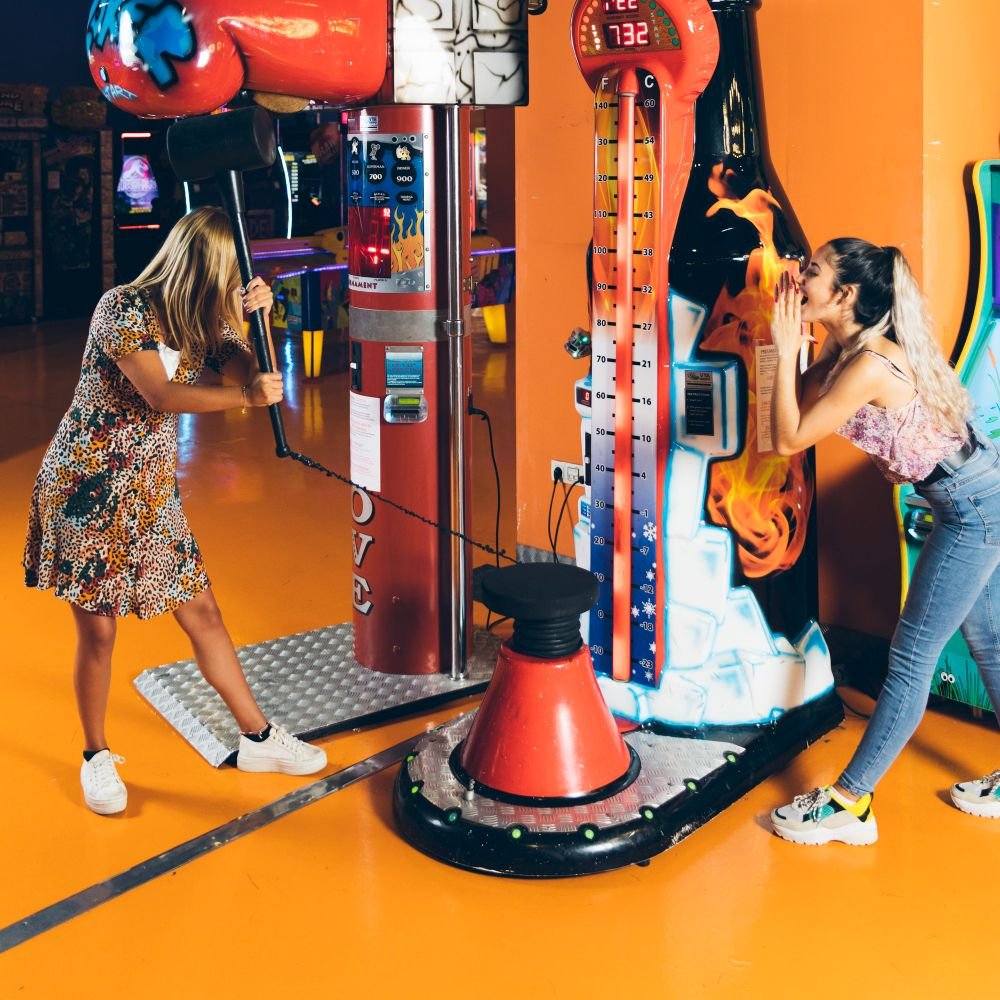
As technology continues to evolve, the possibilities for gamification in events are expanding rapidly. Augmented reality experiences, interactive mobile applications, and personalized digital challenges are opening new dimensions of engagement.
Future events may incorporate immersive storytelling where participants follow interactive narratives throughout the venue. Artificial intelligence may personalize challenges based on attendee interests, creating unique experiences for each participant.
These innovations are transforming events from scheduled programs into living experiences, where guests are not merely observers but contributors to the story unfolding around them.
A New Standard for Engagement
In a competitive events industry, the difference between a good event and an unforgettable one often lies in the level of engagement it creates. Gamification provides a powerful strategy for achieving this goal, blending creativity, psychology, and technology to inspire participation.
When designed with care and elegance, gamified events encourage curiosity, foster connection, and transform ordinary gatherings into extraordinary experiences. They invite attendees not just to attend—but to play, explore, and truly become part of the event itself.
For modern event planners seeking to captivate their audiences and elevate their work, gamification may well be the secret ingredient that turns engagement into lasting impact.