A memorable event is rarely defined by one spectacular moment.
It is created by the way one moment leads naturally into the next.
Guests may remember the ceremony, the dinner, the speeches or the party individually, but what shapes their overall impression is often something less obvious: the flow of the event.
From arrival to departure, every transition affects how people feel. Where they are directed, how long they wait, when the atmosphere changes and how naturally they move between different parts of the celebration all contribute to the experience.
Thoughtful event planning does not simply create beautiful individual settings. It connects them.
Event Flow Begins Before the Main Celebration
The guest experience starts before the ceremony itself.
Arrival is the first chapter.
Guests need time to enter the venue, understand the environment, greet one another and settle into the occasion. The way this stage is planned immediately establishes the tone.
A clear entrance, warm welcome and intuitive route toward the ceremony area can make guests feel comfortable from the beginning.
The opposite is equally true.
Confusing access, long periods of waiting or unclear directions can create unnecessary tension before the event has even started.
Good event flow should feel almost invisible.
Guests should rarely need to ask, “Where do we go next?”
The environment should answer that question naturally.
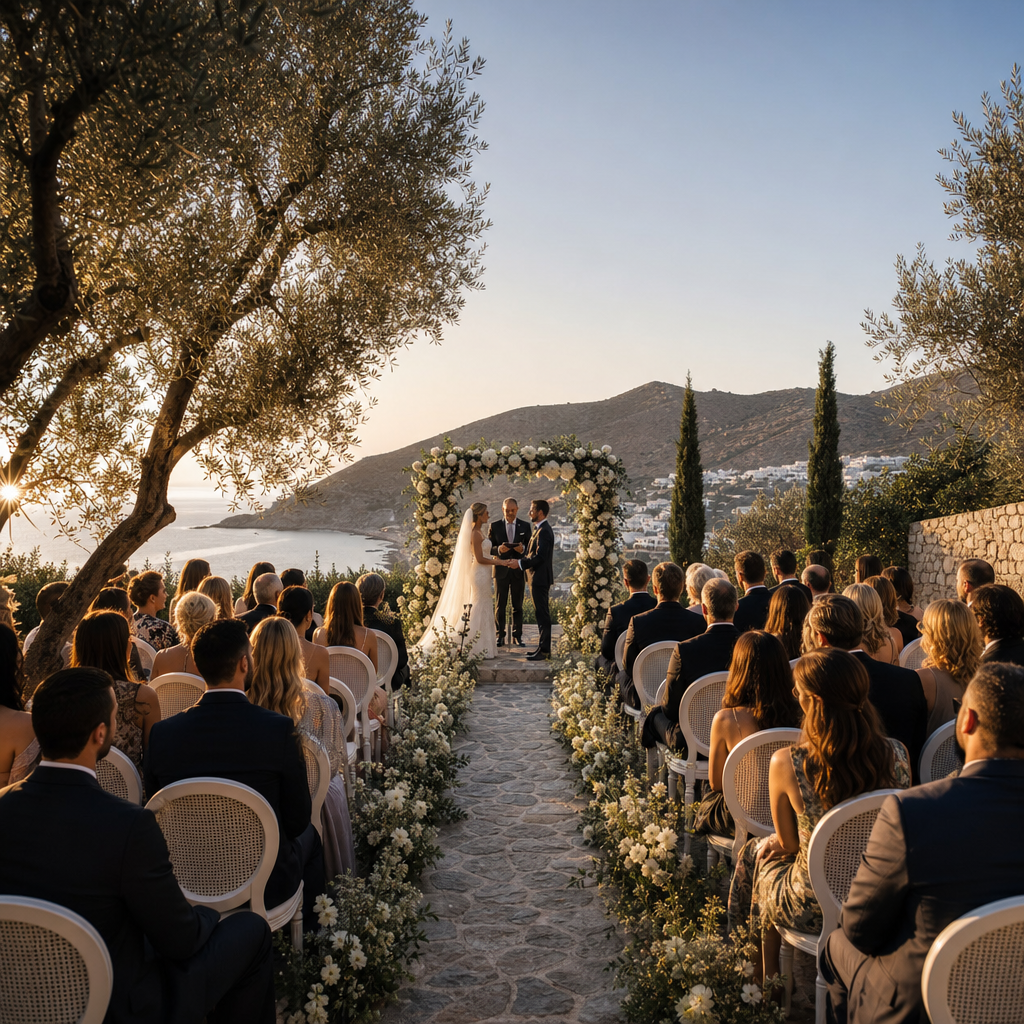
The Ceremony Sets the Emotional Tone
A ceremony carries a different emotional weight from the rest of the celebration.
Whether it is a wedding, symbolic ceremony, corporate presentation or significant private moment, this part of the event usually asks guests to focus their attention in one direction.
The atmosphere tends to be more structured and intentional.
This means the transition that follows becomes especially important.
Moving directly from an emotional ceremony into an energetic party can feel abrupt. Guests often need an intermediate moment that allows the energy to change gradually.
This is where a cocktail reception, welcome drink or informal gathering becomes more than a practical pause.
It becomes an emotional bridge.
Why Transitions Matter
Transitions are often underestimated because they are not considered “main events”.
In reality, they are where many experiences succeed or fail.
The walk from the ceremony to cocktails, the transition from cocktails to dinner and the change from dining to dancing all affect the rhythm of the event.
When transitions are poorly planned, guests become aware of the logistics.
They wait.
They look around for direction.
They wonder what is happening next.
When transitions are handled well, the experience simply continues.
Music may change gradually. Lighting may begin to shift. Staff may subtly guide guests toward another area. Drinks may appear at exactly the right moment.
Nothing feels forced.
This is one of the clearest differences between an event that is simply organised and one that has been designed as a complete experience.
The Cocktail Hour Is More Important Than It Looks
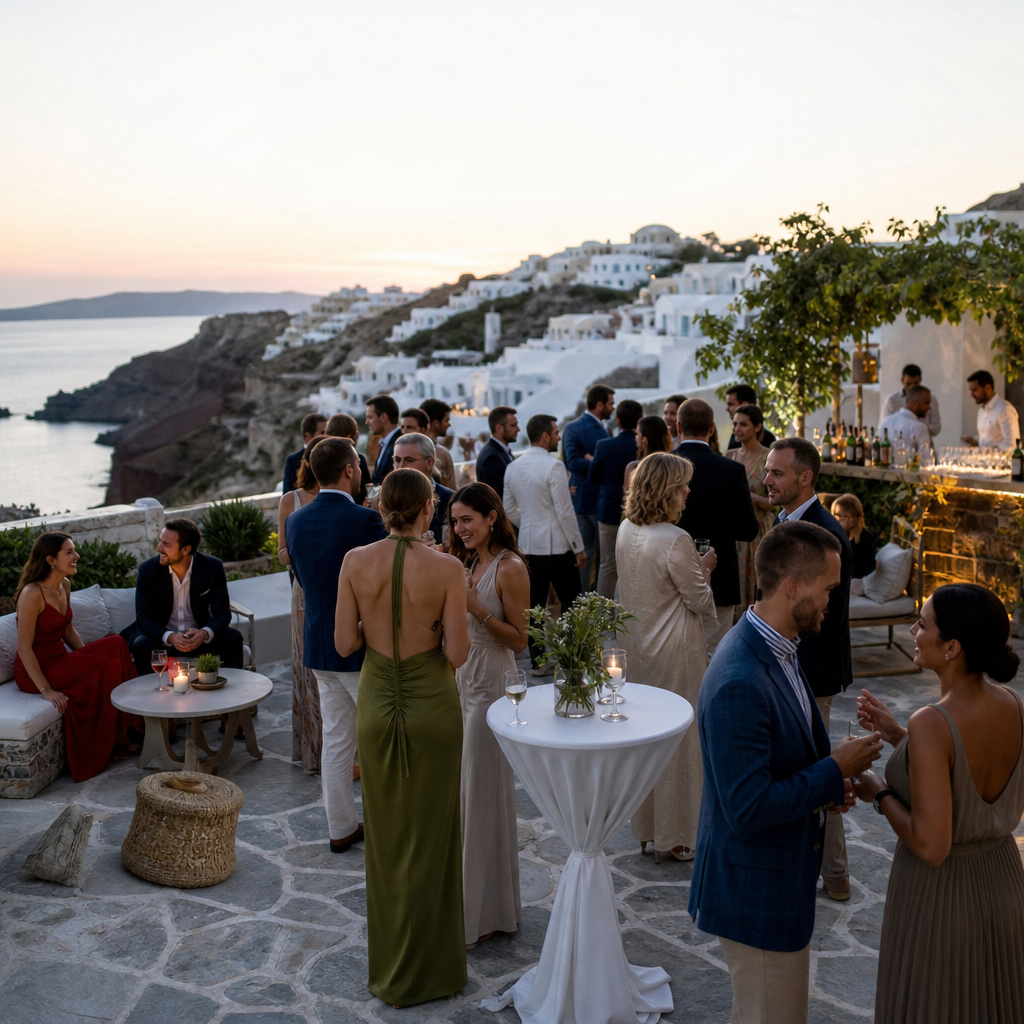
The cocktail hour is often treated as a functional period between the ceremony and dinner.
But strategically, it serves several purposes.
It gives guests time to reconnect, move, refresh and begin interacting more freely.
It also gives the event team time to prepare the next stage without disrupting the guest experience.
The space should encourage natural movement and conversation.
Bar placement matters.
So does seating.
A cocktail area that is too large can feel empty. One that is too compact can create unnecessary congestion.
Small lounge groupings, standing tables and carefully distributed service can help create a natural social rhythm.
The goal is not simply to occupy guests until dinner.
It is to create the next layer of the experience.
Every Space Should Have a Purpose
A beautiful venue may offer many different areas, but that does not mean every space should be used.
Event flow becomes stronger when each location has a clear role.
One area might be designed for arrival.
Another for the ceremony.
A terrace may work perfectly for cocktails.
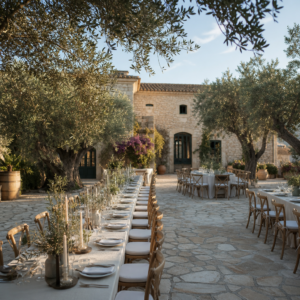
A courtyard or garden may become the dinner setting.
A separate area may be introduced later for dancing.
This creates a sense of discovery.
Guests experience the venue gradually rather than seeing everything at once.
It also allows each stage of the event to have its own atmosphere.
The important question is not simply, “What spaces are available?”
It is:
“What should guests experience here?”
Guest Movement Should Feel Natural
Movement is an important part of event design.
Paths should be clear but not overly controlled.
Guests should be able to understand where they are heading without excessive signage or repeated announcements.
Lighting, furniture and architectural features can help guide movement naturally.
Even relatively small choices can make a difference.
The location of a bar can draw guests into a new area. Music can signal where the next part of the celebration is beginning. A beautifully illuminated pathway can create anticipation before guests enter the dinner space.
The strongest event flow does not feel like crowd management.
It feels like storytelling.
Dinner Changes the Rhythm
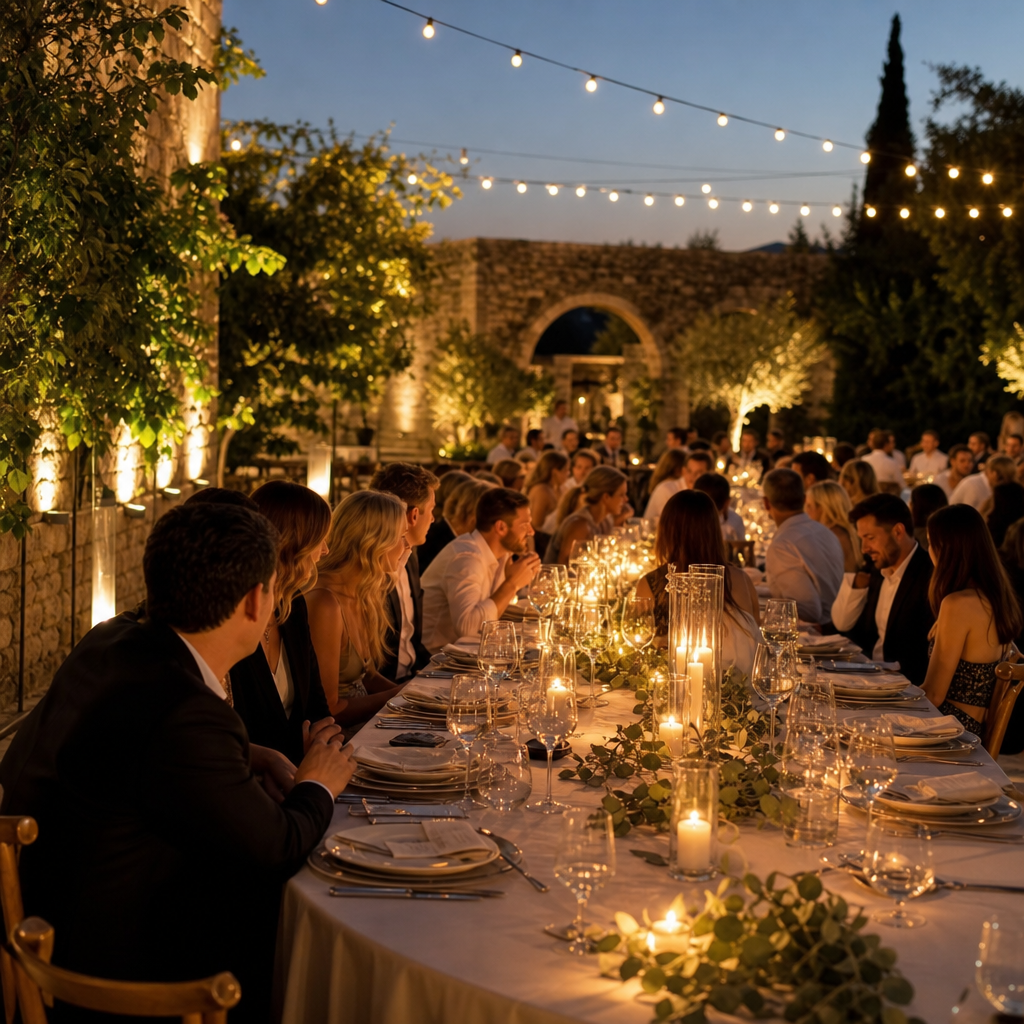
Dinner usually marks another major transition.
Guests move from standing and circulating to sitting for a longer period of time.
Energy becomes more focused.
Conversation becomes more intimate.
Because of this, the transition into dinner should be carefully timed.
If guests are seated too early, the atmosphere can lose momentum.
If cocktails run too long, people may become tired or hungry.
The dinner experience itself also needs rhythm.
Food service, speeches, music and entertainment should be carefully balanced so that no single element dominates the evening.
Too many interruptions can make dinner feel fragmented.
Too few can make it static.
Good planning creates enough structure to maintain momentum while still allowing guests to relax.
Seating Is Part of Event Flow
A seating plan is not only about where people sit.
It influences how they interact.
The distance between tables, the orientation of the room and the placement of key guests all affect the social dynamic.
At weddings and private events, seating can encourage conversation between different groups.
At corporate events, it can support networking and relationship building.
The shape and scale of the tables also matter.
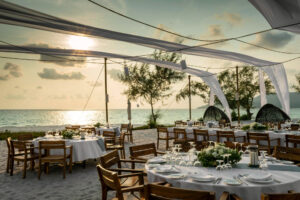
Long tables create a very different experience from round tables. Mixed seating formats can make a large celebration feel more dynamic.
Whatever the layout, it should support the type of interaction the event is intended to create.
Lighting Helps Signal Each New Chapter
Lighting is one of the most effective ways to influence event flow without interrupting guests.
During the ceremony, natural or softer lighting may support an emotional atmosphere.
Cocktails may introduce a brighter, more social feel.
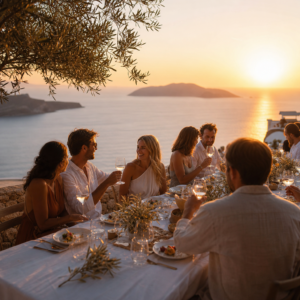
Dinner can become warmer and more intimate.
Later, lighting can change again as the celebration becomes more energetic.
This progression helps guests understand that the event is evolving.
They may not consciously notice every lighting adjustment, but they experience the difference.
This is why lighting should be planned alongside the event timeline rather than added as a decorative consideration at the end.
Music Shapes the Pace
Music performs a similar role.
Different stages of an event require different levels of energy.
Arrival music should create anticipation without becoming distracting.
The ceremony may require something more emotional or restrained.
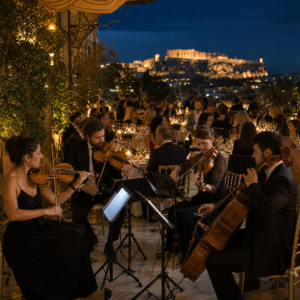
Cocktail music should encourage conversation.
Dinner music needs to support the atmosphere without competing with it.
Later in the evening, music can gradually become more prominent and signal the transition toward celebration.
The change should feel intentional.
A sudden jump from quiet background music to maximum party energy can feel artificial.
A gradual progression allows guests to move emotionally with the event.
The Shift from Dinner to Party
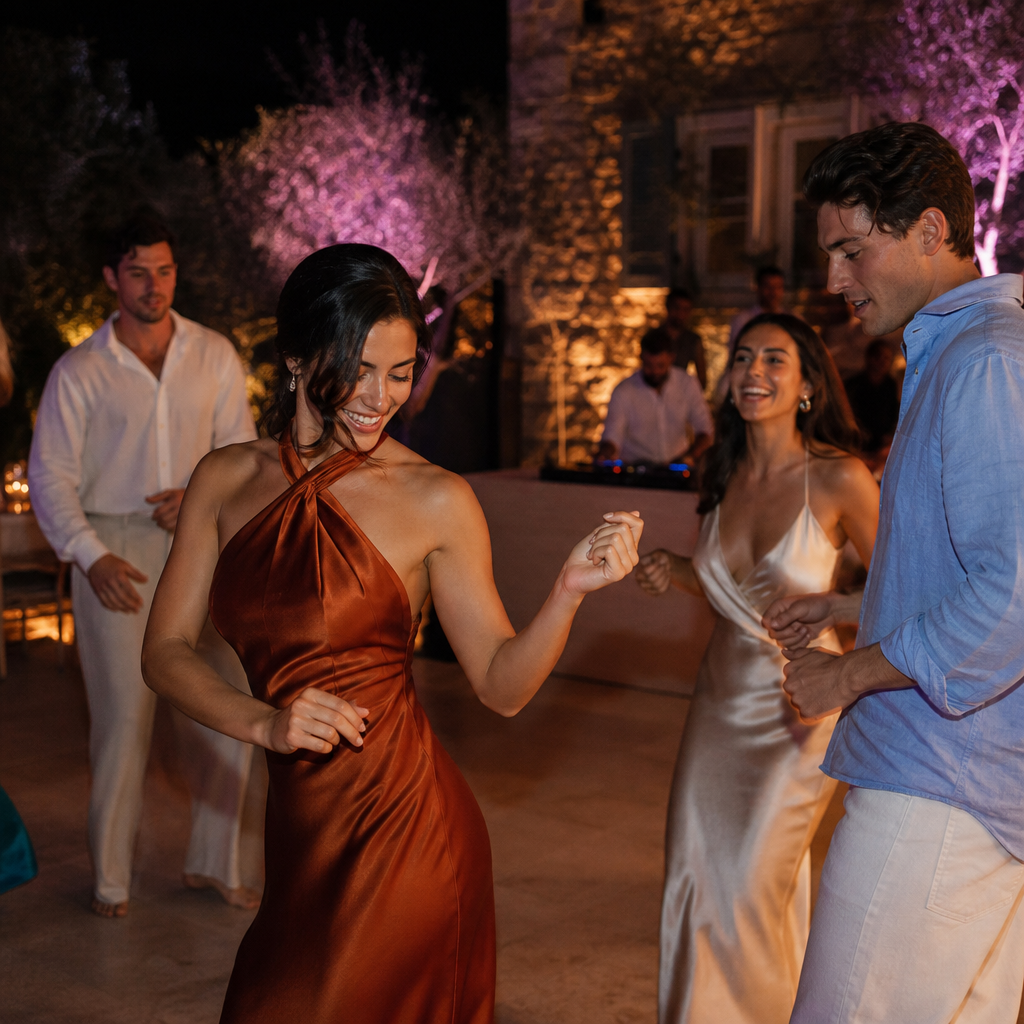
One of the most important transitions in many celebrations is the move from dinner to dancing.
This is where energy can either rise naturally or disappear.
Timing matters.
If the transition takes too long, guests may settle into their seats and lose momentum.
If it happens too quickly, the evening can feel rushed.
A speech, live performance, first dance or change in lighting can act as a natural trigger.
The physical proximity between dining and dancing areas also makes a difference.
If guests need to move too far or lose sight of where the energy is building, participation can drop.
The party should feel like the next chapter of the same experience, not a completely separate event.
Event Flow Matters in Corporate Events Too
Event flow is equally important in corporate planning.
A corporate event may include registration, presentations, networking, product demonstrations, dining and entertainment.
Each element may be successful individually, but if the transitions are poorly managed, the overall experience becomes fragmented.
Professional corporate event planning considers how attendees move physically and mentally through the programme.
A long presentation may need to be followed by an informal networking moment.
A product reveal may lead directly into an interactive experience.
A formal dinner may evolve into a more social evening.
The sequence should reinforce the purpose of the event.
Private Events Need Rhythm, Not Rigidity
Private celebrations benefit from structure, but they should rarely feel over-programmed.
Guests need enough guidance to understand what is happening while still feeling free to enjoy themselves.
For birthdays, anniversaries and family gatherings, this may mean allowing longer periods of informal interaction.
A well-designed private event can move between food, music, conversation and entertainment without feeling like guests are following a strict timetable.
This balance is important.
The planner may be working from a detailed minute-by-minute schedule behind the scenes.
The guests, however, should feel that the evening is unfolding naturally.
The Best Timeline Is the One Guests Never Notice
An event timeline is essential for planners, suppliers and production teams.
But it should not dominate the guest experience.
Guests do not need to know that dinner service is scheduled for a precise minute or that a lighting change must happen before the entertainment begins.
They only need to experience the result.
Behind the scenes, successful events depend on detailed coordination.
Front of house, they should feel effortless.
That is the paradox of good event planning:
the more carefully an experience is structured, the more natural it can feel.
From Arrival to the Final Goodbye
Event flow does not end when the music stops.
Departure matters too.
Transport, coat collection, guest gifts and final hospitality all influence the last impression.
If arrival is the opening chapter, departure is the closing line.
It should feel considered.
Even a simple gesture — water for the journey home, organised transportation or a thoughtful farewell — can complete the experience.
The final moments often determine how guests describe the event the following day.
Designing the Entire Experience with NAS Concept Events
At NAS Concept Events, an event is never approached as a collection of isolated moments.
The ceremony, hospitality, dinner, entertainment and celebration are designed as parts of one complete experience.
The objective is not simply to create beautiful spaces.
It is to understand how guests will move, interact and feel from the moment they arrive until the moment they leave.
Because exceptional event planning is not only about what happens.
It is about what happens next.
If you are planning a wedding, private celebration or corporate event, contact the NAS Concept Events team to design an experience where every moment connects naturally to the next.